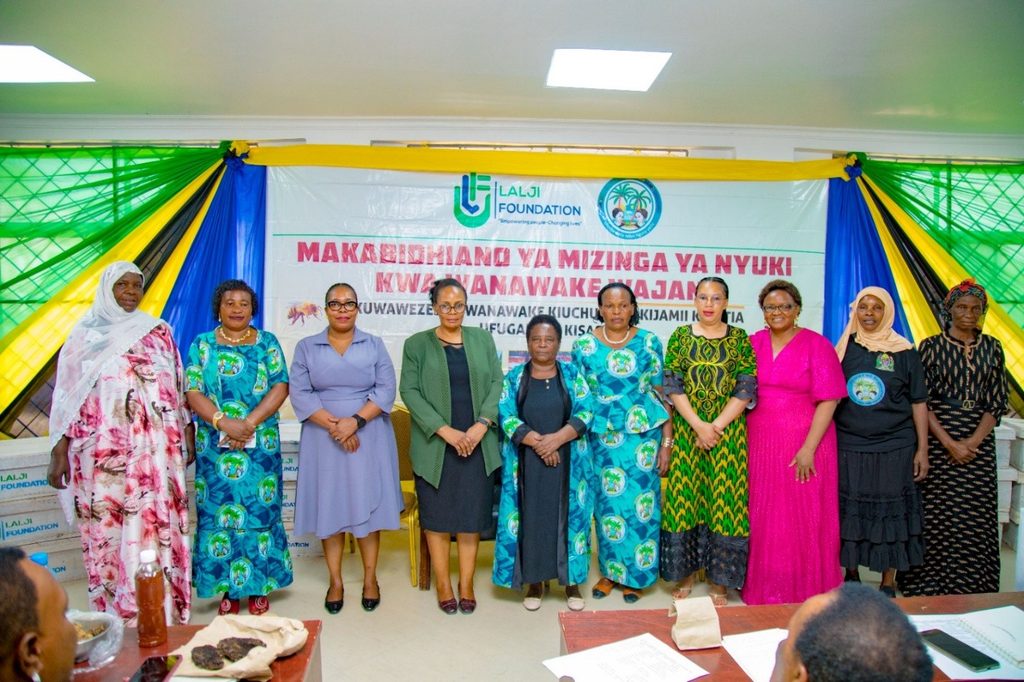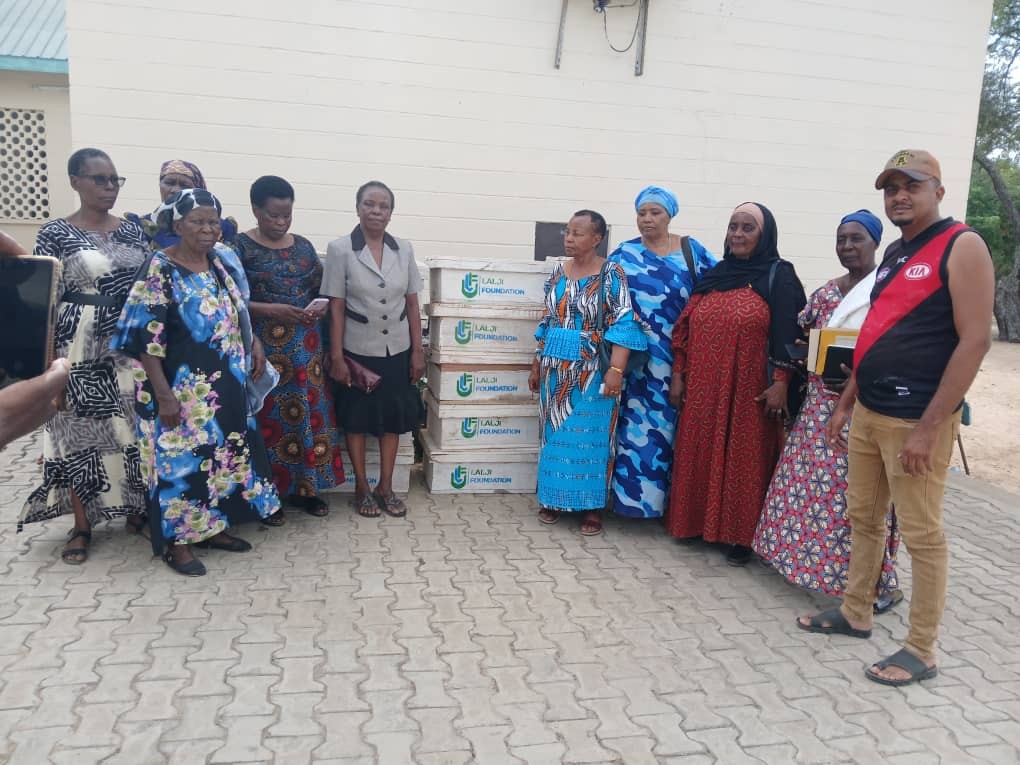
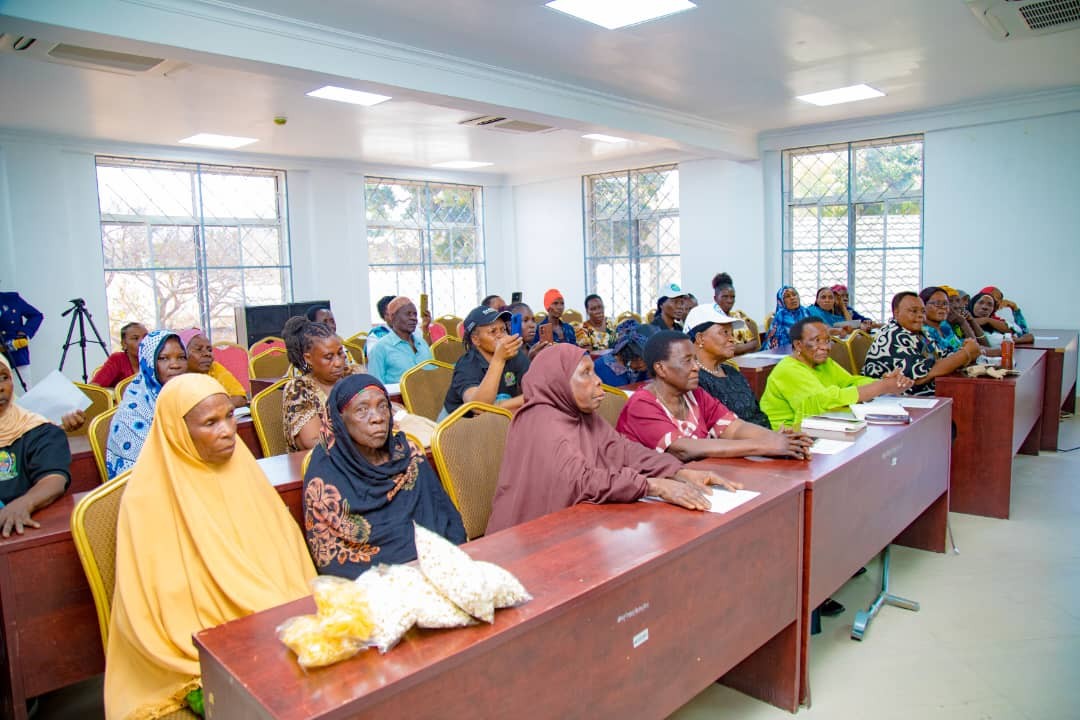
Between 19th August and 12th September 2026, LALJI FOUNDATION donated 50 modern beehives to Chama Cha Wanawake Wajane Tanzania (CCWWT) in Sikonge District, Tabora Region, and Magu District, and Mwanza Region. This was done as part of its commitment to women’s economic empowerment. The initiative was designed to support widows and other vulnerable women by providing them with productive assets for beekeeping and honey production. Through this support, the beneficiaries have an opportunity to develop sustainable income-generating activities to strengthen their financial independence.
Objectives of the project:
- Providing productive assets to support beekeeping and honey production.
- Creating opportunities for entrepreneurship and long-term financial independence.
- Improving the living standards of widows and their families.
- Promoting women’s participation in economic and community development.
- Encouraging responsible management of beehives and sustainable beekeeping practices.
- Strengthening collaboration between LALJI FOUNDATION, CCWWT, and local authorities.
- Supporting community-based initiatives that promote self-reliance and poverty reduction.
Speaking during the handover, Naomy Isaya, Community Development Officer (CDO) of Tabora Municipal, expressed her appreciation to LALJI FOUNDATION and CCWWT for introducing the beekeeping initiative. She encouraged the beneficiaries to manage the beehives responsibly and follow recommended beekeeping practices, while reaffirming the Municipal Council’s commitment to providing guidance and support. Meanwhile, Ms Judith Kahatano, Projects Coordinator of LALJI FOUNDATION, encouraged the women to take ownership of the project, manage the beehives effectively, and reinvest part of their earnings to expand their activities. Rabia Ally Moyo, Chairperson of CCWWT, also thanked the Foundation for its support and reaffirmed the organisation’s commitment to ensuring that the donated beehives are put to productive use.
The project reached 200 beneficiaries across Tabora and Mwanza regions, providing them with access to resources that can support sustainable livelihood activities. The donation is expected to create opportunities for income generation through honey production, strengthen women’s economic independence, and ease the financial challenges faced by widows and their families.